
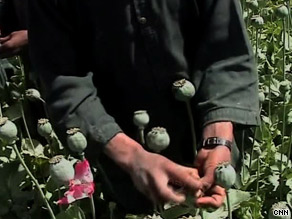
Afghanistan is the world's biggest supplier of illegal opium, which is made from the seed pods of poppies.

1 of 2


"They're one step ahead of us and we're desperately trying to get one step ahead of them and I think it's a long game," he said.
Coates has spent almost 25 years tracking the heroin pipeline. But he says the approach over the last few years is more intelligence-led.
"If we seize the powder, the commodity, they very quickly replace it. The financial flow is much more important. If you can hit the gangs, the proceeds of crime, you really are affecting them, you're reaching right into them and actually impacting them," says Coates.
 Watch how the Afghan drug pipeline is difficult to stop »
A new United Nations report confirms the status of the lawless and fertile lands of southern Afghanistan as the world's biggest supplier of illegal opium, the addictive narcotic that is made from the seed pods of poppies.
Don't Miss
While Western governments have for years debated how to stop the lucrative drug trade in Afghanistan, the business has only grown. The U.N. report notes that for years, the counternarcotics strategies around the world have failed to have any real effect on addiction or drug trafficking. In some countries, heroin is 10 times cheaper now than it was 30 years ago.
"We've been very good in the past at playing cops and robbers, but did [that] make a difference? No it didn't," concedes Coates.

Britain's Serious Organized Crime Agency says it is now committed to taking a collaborative approach not just with its own national partners, but by working intelligence links through the world.


No comments:
Post a Comment